The Ultimate Cancer Fighting Food List
The Best Foods to Help Fight Cancer
If you’ve ever found yourself searching for the top 5, top 10, or even the top 20 foods that help fight cancer and reduce cancer risk, this article will help you cut through the noise. As an oncology nutritionist, my focus is always on prevention and cancer risk reduction — and diet is one of the most practical, day-to-day levers we can use to support that goal.
No single food can “prevent” cancer on its own, and nutrition is only one part of the bigger picture. But there are certain foods that consistently stand out because they’re rich in fibre, antioxidants, and protective plant compounds that support immune function, inflammation balance, detoxification pathways, and gut health — all factors linked to cancer risk over time. Below, I’ll share some of the most evidence-backed options and simple ways to include them in your meals.
The Best Cancer Fighting Vegetables
Packed full of fibre for supporting healthy bowel movements as well as maintaining a diverse range of healthy bacteria in the microbiome, vegetables are a power house of healthy cancer fighting compounds.
1. Broccoli
Broccoli is a cancer-fighting powerhouse due to its rich content of sulforaphane, which activates detox enzymes, neutralizes carcinogens, and inhibits cancer cell growth. It's also packed with antioxidants and fiber, helping reduce inflammation and promote digestive health, ultimately lowering cancer risk.
2. Broccoli Sprouts:
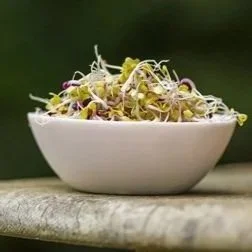
Broccoli sprouts are the young shoots of the broccoli plant, and they’re often included in “cancer-preventive” food lists for a slightly different reason than mature broccoli and are so good that they warrant a separate mention. They’re a particularly rich source of glucoraphanin, a compound your body can convert into sulforaphane.
Sulforaphane has been widely studied for its role in supporting the body’s own antioxidant defences and detoxification enzymes, which are relevant to how the body handles oxidative stress and unwanted cellular damage over time. Practically, sprouts are an easy “high-impact, low-volume” addition — a small handful can be added to salads, wraps, omelettes, or sprinkled over soups after cooking.
Purchase Sprouting seeds & microgreens: Use code jennyking to get 10% off your first order here.
3. Mushrooms:
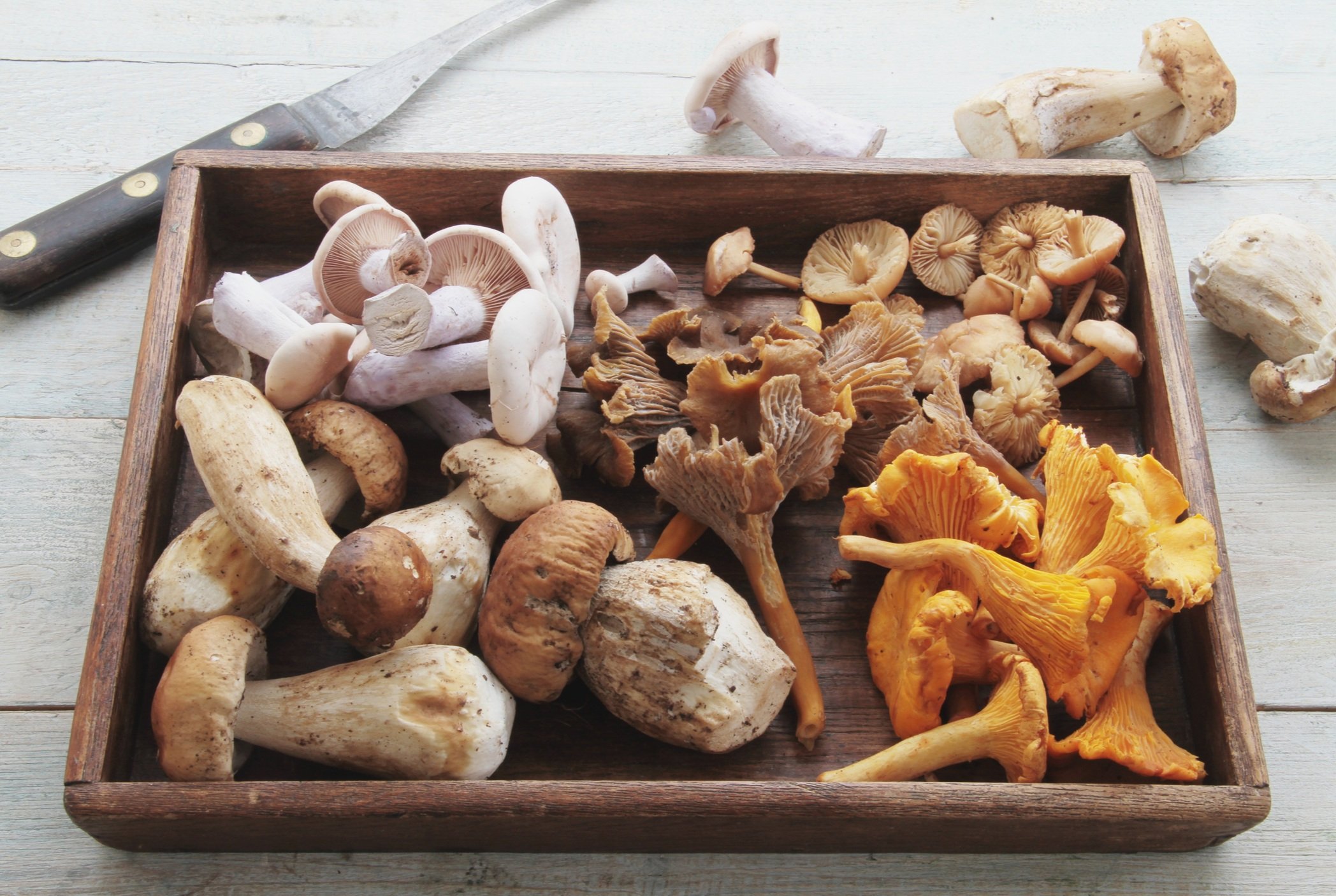
Mushrooms are a delicious addition to any meal, but did you know they may also help reduce the risk of cancer? Packed with antioxidants like selenium and vitamin C, mushrooms fight off harmful free radicals that can damage cells. They also boast immune-boosting beta-glucans and polysaccharides, along with anti-inflammatory properties that could lower cancer risk. Bioactive compounds found in mushrooms have been shown to induce programmed cell death in cancer cells and even enhance the effectiveness of conventional cancer treatments like chemotherapy. So, next time you're cooking, consider adding mushrooms to your plate for both flavor and potential health benefits!
Hifas da Terra is an expert in this area & has more than 15 active clinical studies evaluating the health benefits of supplementation with its products, including two oncological clinical trials in patients with colorectal cancer & breast cancer. Their powdered versions are a good choice to add to smoothies or soups etc to increase the nutrient and immune boosting properties of your meal. I also recommend their Mico-Repair serum as a general moisturiser or if you have any skin conditions.
To get 15% off selected products use code 9jkg2 at checkout
4. Beetroot:
Beetroot isn't just a vibrant addition to your plate; it's also a cancer-fighting powerhouse. Packed with antioxidants like betalains and vitamin C, beetroot helps combat oxidative stress and cell damage, lowering the risk of cancer. Its high fiber content aids in digestion and helps maintain a healthy gut, which is crucial for reducing the risk of colorectal cancer. Additionally, beetroot contains nitrates that may improve blood flow and oxygen delivery to cells, potentially inhibiting tumor growth. Whether roasted, grated into salads, or blended into smoothies, incorporating beetroot into your diet is a delicious way to boost your health and reduce cancer risk.
5. Kale:
Packed with antioxidants like vitamin C, beta-carotene, and flavonoids, kale helps neutralize harmful free radicals that can damage cells and lead to cancer. Its high fiber content supports healthy digestion and may lower the risk of colorectal cancer. Additionally, kale contains glucosinolates, sulfur-containing compounds that have been linked to cancer prevention by promoting detoxification and inhibiting the growth of cancer cells. Incorporating kale into your diet, whether in salads, smoothies, or sautés, is a delicious and nutritious way to boost your health and reduce cancer risk.
6. Carrots:
Rich in antioxidants like beta-carotene, alpha-carotene, and vitamin C, carrots help neutralize harmful free radicals and protect cells from damage that can lead to cancer. Studies have shown that regular consumption of carrots is associated with a reduced risk of various cancers, including lung, colorectal, and stomach cancers. Additionally, carrots are high in fiber, which supports healthy digestion and may lower the risk of colorectal cancer. The phytochemicals found in carrots also have anti-inflammatory properties, further contributing to their cancer-fighting potential. Given they’re high in fibre they also contribute to supporting the elimination of excess hormones in the body such as estrogen. Incorporating carrots into your diet, whether raw as a snack, cooked in soups and stir-fries, or juiced into refreshing beverages, is an easy and delicious way to boost your health and reduce cancer risk.
7. Collard Greens:
Packed with antioxidants like vitamin C, beta-carotene, and flavonoids, collard greens help neutralize harmful free radicals and protect cells from damage that can lead to cancer. Their high fiber content supports healthy digestion and may lower the risk of colorectal cancer. Additionally, collard greens are rich in glucosinolates, sulfur-containing compounds that have been linked to cancer prevention by promoting detoxification and inhibiting the growth of cancer cells. These greens are also a good source of vitamin K, which plays a role in bone health and may reduce the risk of certain cancers. Whether enjoyed steamed, sautéed, or added to soups and stews, incorporating collard greens into your diet is a delicious way to boost your health and reduce cancer risk.
8. Nori:
Nori is a nutrient-dense sea vegetable that may offer benefits within a cancer-supportive diet. It provides antioxidants and carotenoids that help protect cells from oxidative stress, alongside fibres and polysaccharides that may support immune and gut health.
Nori is also interesting from a hormone perspective, because seaweed intake has been shown in some research to favourably influence oestrogen metabolism, and researchers have suggested this may be partly through effects on colonic bacteria. This links with the estrobolome — the collection of gut microbes and enzymes involved in metabolising and recirculating oestrogens — meaning nori may help support a healthier gut environment that influences how oestrogen is processed in the body.
That said, this is still an emerging area and it would be more accurate to say nori may support oestrogen balance rather than claiming a direct anti-cancer effect. Whether used to wrap sushi, crumbled over salads, or added to soups and broths, nori is an easy way to increase nutrient diversity and bring in some unique protective compounds.
The Best Cancer Fighting Herbs & Spices
9. Garlic:
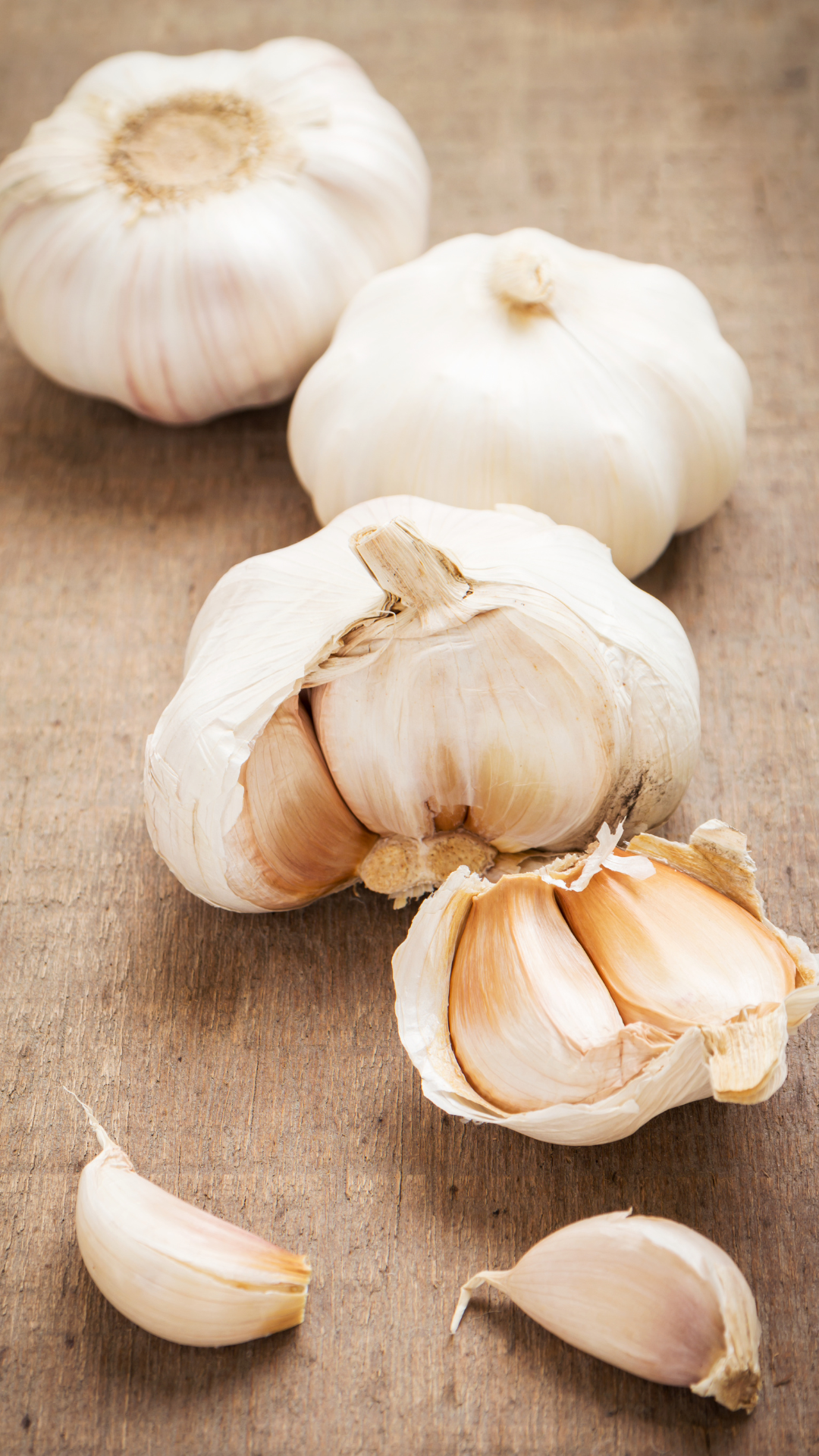
Garlic has long been recognized for its potential health benefits, including cancer prevention. It contains organosulfur compounds that have been shown to inhibit the growth of cancer cells and reduce the risk of several cancers, particularly those of the digestive system such as stomach and colorectal cancers.
10. Rosemary
Rosemary, a herb rich in antioxidants and anti-inflammatory compounds, shows promise in cancer prevention and treatment. Its antioxidants may protect cells from damage, while anti-carcinogenic compounds could inhibit tumor growth and induce cancer cell death. Additionally, rosemary supports detoxification and immune function.
11. Turmeric:

Turmeric is a vibrant yellow spice widely used in Asian cuisine and contains a compound called curcumin. Curcumin has potent anti-inflammatory and antioxidant properties, and it shows promise in inhibiting the growth of cancer cells and reducing the risk of various cancers, including colorectal, breast, and prostate cancers. Adding black or cayenne pepper and a fat source such as extra virgin olive oil, coconut oil or coconut milk helps improve the absorption of this anti-cancer spice.
12. Matcha / Green Tea
Green tea is renowned for its numerous health benefits, largely due to its high concentration of catechins (particularly EGCG), a group of antioxidants studied for their potential role in supporting healthy cell signalling, reducing oxidative stress, and modulating inflammation. Regular green tea intake has been associated in population studies with a reduced risk of several cancers, including breast, colorectal, and prostate cancers.
It’s also worth mentioning matcha, a powdered form of green tea where you consume the whole leaf rather than just an infusion. Because of this, matcha can provide a higher overall intake of tea polyphenols compared with standard brewed green tea, depending on how it’s prepared. Matcha also naturally contains L-theanine, an amino acid that can promote a calm, focused state and may help smooth the “jittery” effect some people get from caffeine.
For people who don’t tolerate coffee well, matcha can be a gentler option — though it still contains caffeine, so timing matters (earlier in the day tends to work best, especially if sleep is a priority). As with most health-supportive foods, the benefit comes from consistency over time rather than very high doses, so a regular green tea or matcha habit can be a simple, practical addition to a cancer-preventive diet.
Note: If you have a slow COMT variant (e.g., rs4680 Val158Met) and you notice you feel “wired”, anxious, or sleep is affected after green tea/matcha, keep it to moderate, earlier-in-the-day amounts and avoid high-dose green tea extract/EGCG supplements unless supervised. Food-level intake is usually well tolerated, but individual response varies.

13. Black Cumin:
Nigella sativa, also known as black seed or black cumin, is a potent natural remedy with promising cancer-fighting properties. Rich in antioxidants like thymoquinone, nigella sativa helps combat oxidative stress and inflammation, which are linked to cancer development. Studies have shown that thymoquinone has anti-cancer effects, inhibiting the growth of various types of cancer cells and even promoting apoptosis, or programmed cell death, in cancerous cells. Additionally, nigella sativa has been found to enhance the effectiveness of certain chemotherapy drugs while reducing their side effects. Whether consumed as oil, seeds, or supplements, integrating nigella sativa into your diet may offer significant benefits in reducing cancer risk and supporting overall health.
14. Ginger:

Ginger isn't just a flavorful spice; it's also a potent cancer-fighting ingredient. Rich in bioactive compounds like gingerol, ginger boasts powerful antioxidant and anti-inflammatory properties that help protect cells from damage and reduce the risk of cancer. Studies have shown that gingerol and other compounds in ginger may inhibit the growth of cancer cells, particularly in colorectal, ovarian, and pancreatic cancers. Additionally, ginger has been found to alleviate nausea and vomiting associated with cancer treatment, making it a valuable supportive therapy. Whether enjoyed in teas, added to stir-fries, or incorporated into baked goods, incorporating ginger into your diet is a delicious way to boost your health and reduce cancer risk.
15. Black Pepper:
Black pepper is more than just a seasoning, it’s a concentrated source of a plant compound called piperine, which has been studied for its antioxidant and anti-inflammatory effects. One of the most useful things about piperine is that it can increase the absorption of certain beneficial compounds, most famously curcumin from turmeric (which is why “turmeric + black pepper” often appears together in research and traditional cuisines).
In day-to-day life, this can be as simple as adding freshly ground black pepper to soups, stews, eggs, roasted vegetables, salad dressings, or golden milk. If you’re on regular medication (particularly drugs with a narrow therapeutic range) or you’re using anticoagulants, it’s sensible to be cautious with high-dose piperine supplements, but using black pepper in normal culinary amounts is an easy, practical way to add another layer of phytonutrient support to meals.
The Best Cancer Fighting Fats

Healthy fats often get a bad reputation thanks to years of “low fat” messaging, but your body genuinely needs them, and they can play a helpful role in a cancer-supportive way of eating. The right fats help you absorb fat soluble nutrients such as vitamin D, and omega-3s from oily fish can support a healthier inflammation balance and immune signalling.
16. Walnuts:
Walnuts are not just a tasty snack; they're also potent fighters against cancer. Packed with antioxidants, including polyphenols and vitamin E, walnuts help neutralize harmful free radicals that can damage cells and lead to cancer. Additionally, walnuts are rich in omega-3 fatty acids, which have been associated with a reduced risk of certain cancers, including breast and prostate cancer.
These healthy fats also help lower inflammation in the body, further reducing cancer risk. Moreover, walnuts contain phytosterols and gamma-tocopherol, compounds that may inhibit cancer cell growth and promote apoptosis, or programmed cell death. Snacking on walnuts or incorporating them into meals like salads and oatmeal is a delicious way to boost your health and reduce cancer risk.
17. Fatty Fish:
Fatty fish, such as salmon, mackerel, sardines, and trout, are excellent sources of omega-3 fatty acids. These healthy fats have anti-inflammatory properties and may help lower the risk of certain cancers, including colorectal, breast, and prostate cancers. Omega-3 fatty acids also support overall heart health and provide additional benefits for brain function. The important point to consider when it comes to oily fish is where it’s been sourced. Line caught fish will have fed on fish that are high in omega 3 from eating algae (the original source of omega 3), however farmed fish will not be fed on the same diet and therefore won’t be sufficient.
Why Testing Omega-3 Status Matters for Cancer & Chronic Health
Even with a diet that includes oily fish, modern food supply changes mean omega-3 levels are not what they once were. Farmed fish often contain lower EPA and DHA compared to wild, and intensive food production has shifted the balance of fats in our diets towards more omega-6 than omega-3. That makes it harder to achieve an optimal omega-3 index through food alone.
The omega-3 index is emerging as a meaningful indicator of long-term health, with some research suggesting it may be as important a predictor of mortality as smoking status.
A National Health & Nutrition Examination Survey found that nearly 98% of Americans had an omega 3 index under 8%, with the average being 4.12%. The United Kingdom Omega 3 index is around the same as the USA. An index of 4% or lower puts individuals in the highest risk category for cardiovascular and total mortality
For anyone going through cancer treatment or focusing on recovery, understanding this marker can offer an extra layer of clarity when prioritising nutrition and inflammation support.
A simple at-home essential fatty acid test provides a clear picture of your omega-3 index and omega-6 to omega-3 balance, helping you tailor dietary and supplement choices with confidence rather than guesswork.
Even with a diet that includes oily fish, modern food supply changes mean omega-3 levels are not what they once were. Farmed fish often contain lower EPA and DHA compared to wild, and intensive food production has shifted the balance of fats in our diets towards more omega-6 than omega-3. That makes it harder to achieve an optimal omega-3 index through food alone.
Buy Essential Fatty Acid Test & 30 Minute Review£115
The essential fatty acid test is beneficial to everyone, whether you already eat lots of oily fish or have been taking an omega 3 supplement - test, assess & address & maintain.
18. Extra Virgin Olive Oil:
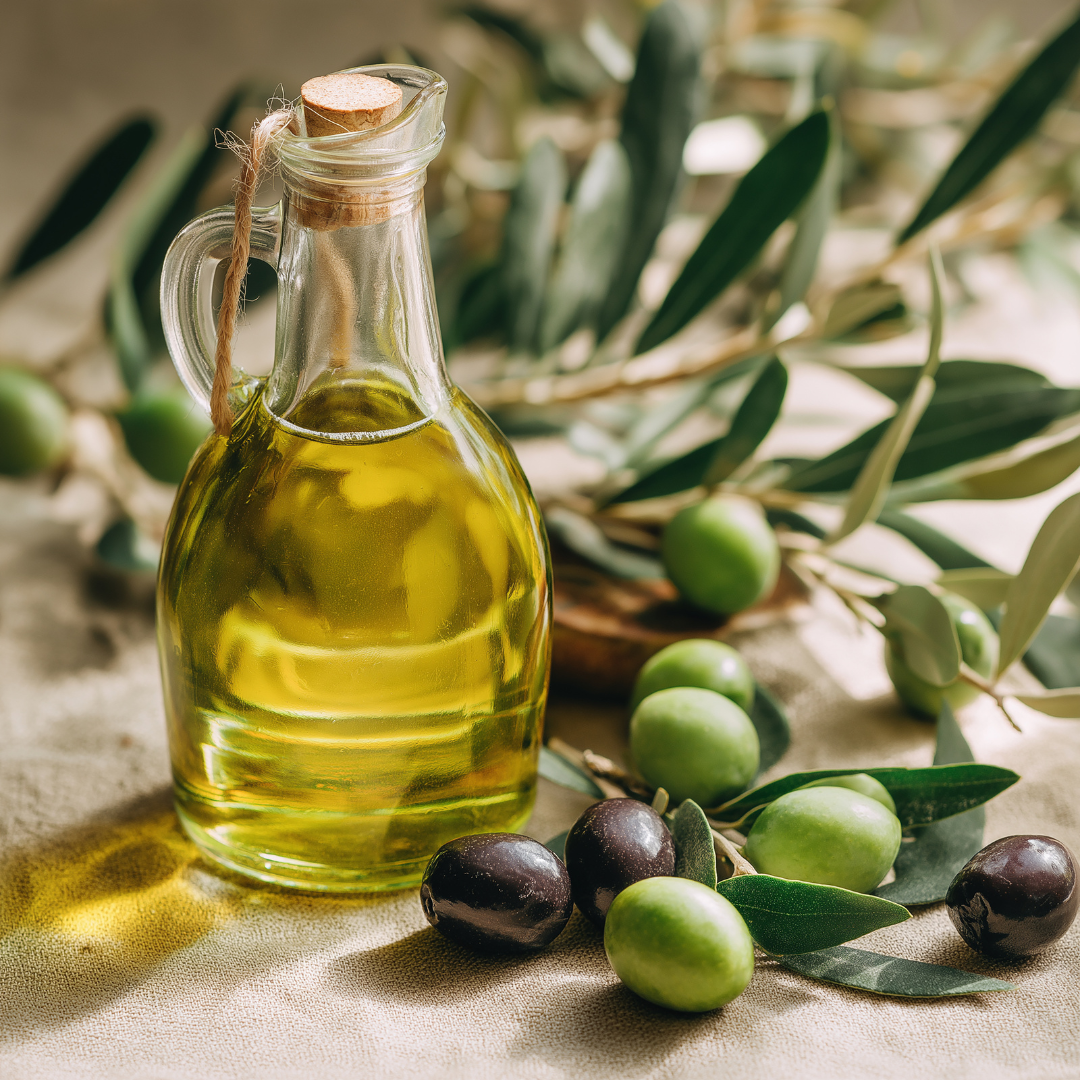
Extra virgin olive oil (EVOO) isn't just a kitchen staple; it's a powerhouse for reducing cancer risk. Rich in antioxidants like polyphenols and vitamin E, EVOO helps neutralize harmful free radicals that can damage cells and lead to cancer. Its anti-inflammatory properties also play a role in cancer prevention by reducing chronic inflammation, a known risk factor for cancer development. Studies suggest that regular consumption of EVOO may lower the risk of certain cancers, including breast and colorectal cancer. Plus, its versatility makes it easy to incorporate into your daily diet. Drizzle it over salads, use it in cooking, or simply dip bread in it for a tasty and health-boosting addition to your meals. You could also just have it from the spoon 3x tbsps daily as an optimal dose.
I recommend Zinzino Extra Virgin Olive Oil which contains up to 30x more polyphenols compared to most olive oils. Purchase via this link.
19. Chia Seeds:
These little powerhouses are rich in antioxidants like quercetin, caffeic acid, and chlorogenic acid, which help combat oxidative stress and reduce the risk of cancer. Additionally, chia seeds are loaded with fiber, which supports healthy digestion and may lower the risk of colorectal cancer. Omega-3 fatty acids found in chia seeds have also been linked to reducing inflammation and inhibiting cancer cell growth. Adding chia seeds to your diet, whether sprinkled over yogurt, mixed into smoothies, or incorporated into baked goods, is an easy and delicious way to boost your health and reduce cancer risk.
20. Flaxseeds:
Flaxseeds aren't just tiny; they're mighty warriors against cancer. Packed with lignans, omega-3 fatty acids, and antioxidants, flaxseeds offer a powerful defense against cancer development. Lignans, in particular, have been associated with reduced risk of breast, prostate, and colon cancers. Omega-3 fatty acids help combat inflammation and support overall cell health, while antioxidants neutralize harmful free radicals. Additionally, flaxseeds are rich in fiber, promoting healthy digestion and reducing the risk of colorectal cancer. Whether ground into smoothies, sprinkled over salads, or mixed into baked goods, incorporating flaxseeds into your diet is a simple and delicious way to bolster your health and reduce cancer risk.
21. Brazil Nuts:
Brazil nuts are best known for being one of the richest dietary sources of selenium, a mineral that plays a central role in the body’s antioxidant systems (including enzymes such as glutathione peroxidase) and also supports thyroid function and healthy immune signalling. Selenium is important, but it’s also a nutrient where “more” isn’t better, because intake can build up quickly. That’s why Brazil nuts are a great example of a small but meaningful addition: for many people, 2-3 organic Brazil nuts a day is plenty to support selenium status (and you don’t necessarily need them every single day if your overall diet is selenium-rich). They’re easy to add to a snack plate, chop into yoghurt or porridge, blend into smoothies, or sprinkle over salads. If you already take a multivitamin or other supplements containing selenium, it’s worth checking the label so you don’t unintentionally push your intake too high — food-first is usually the safest approach.

The Best Cancer Fighting Fruits
Fruits can be a simple, enjoyable way to increase your intake of protective plant compounds. Many fruits are rich in fibre, vitamin C, and colourful polyphenols that help support antioxidant defences, reduce inflammatory signalling, and promote a healthier gut environment — all relevant to long-term cancer risk. The goal isn’t fruit in unlimited amounts, but choosing whole fruits (not juices) and prioritising lower-glycaemic options like berries and citrus most of the time.
22. Berries:
Berries, such as blueberries, strawberries, raspberries, and blackberries, are not only delicious but also packed with antioxidants and phytochemicals. These compounds help combat free radicals, reduce inflammation, and protect cells from damage, potentially lowering the risk of various cancers.

23. Tomatoes:
Technically a fruit, tomatoes are an excellent source of lycopene, a potent antioxidant that gives them their vibrant red color. Research suggests that lycopene may help protect against certain types of cancer, including prostate, lung, and stomach cancers. Cooking tomatoes can further enhance the availability of lycopene.
24. Citrus Fruits:
Citrus fruits like oranges, lemons, and limes are rich in vitamin C and other antioxidants. Vitamin C helps boost the immune system and protects cells from damage caused by free radicals, potentially reducing the risk of certain cancers, including esophageal, stomach, and pancreatic cancers. Avoid grapefruit if you’re on medications as it may interact with it.

25. Avocados:
Avocado offers potential cancer-fighting benefits due to its antioxidant content, including carotenoids and vitamin E, which combat free radicals. Its monounsaturated fats, such as oleic acid, may reduce the risk of breast and prostate cancer. Additionally, avocado's anti-inflammatory properties, fiber, and nutrient density contribute to overall cancer prevention. Incorporating avocado into a balanced diet alongside other fruits, vegetables, and healthy lifestyle choices can support a lower cancer risk.
26. Kiwi Fruit:
Packed with antioxidants like vitamin C, E, and carotenoids, kiwi helps combat free radicals that can damage cells and lead to cancer. Its high fiber content promotes healthy digestion and may lower the risk of colorectal cancer. Additionally, kiwi contains flavonoids and other phytochemicals that have been shown to inhibit cancer cell growth and reduce inflammation. Adding kiwi to your diet, whether sliced into yogurt or blended into smoothies, it’s an easy and delicious way to boost your health and reduce cancer risk.
27. Pomegranates:
Pomegranates aren't just a tasty treat; they're also a powerful ally in the fight against cancer. Loaded with antioxidants like punicalagins and anthocyanins, pomegranates help neutralize harmful free radicals that can damage cells and lead to cancer. Studies have shown that the compounds in pomegranates may inhibit the growth of cancer cells, particularly in prostate and breast cancer. Additionally, pomegranates possess anti-inflammatory properties that can help reduce chronic inflammation, a key risk factor for cancer development. Whether enjoyed as fresh arils, juice, or sprinkled over salads, incorporating pomegranates into your diet is a delicious way to boost your health and reduce cancer risk.
The Best Cancer Probiotics
Probiotic foods contain beneficial live bacteria that can help support a healthy and diverse gut microbiome. The microbiome plays an important role in immune function, inflammation, digestion, nutrient production and the maintenance of the gut barrier, all of which are relevant to long-term health. Regularly including a variety of naturally fermented foods can help introduce beneficial microbes into the diet, although the types and amounts of bacteria vary considerably between foods. Where tolerated, aiming for a variety of probiotic foods rather than relying on a single source may provide the greatest benefit.
28. Kimchi
Kimchi is a traditional Korean fermented vegetable dish, usually made with cabbage, radish, garlic, ginger and chilli, and is a natural source of beneficial lactic acid bacteria that can help support gut microbiome diversity. It also provides fibre and a range of plant compounds with antioxidant and anti-inflammatory properties. Because kimchi is fermented rather than simply pickled, varieties that are unpasteurised and kept refrigerated are more likely to contain live cultures. It can be added in small amounts to salads, bowls, eggs or alongside savoury meals, although people with sensitive digestion or histamine intolerance may find fermented foods need to be introduced gradually.
29. Sauerkraut
Sauerkraut is made by fermenting finely shredded cabbage with salt, creating an environment in which naturally occurring lactic acid bacteria can thrive. As well as providing beneficial microbes, sauerkraut contains fibre, vitamin C and glucosinolates, plant compounds found in cruciferous vegetables that can be converted into biologically active compounds involved in antioxidant defence and the metabolism of potentially harmful substances. Fermentation may also alter and increase the availability of some of these compounds. For the greatest probiotic benefit, choose raw, unpasteurised sauerkraut kept refrigerated, as heat treatment can destroy the live bacteria. A small serving can be added to salads, bowls, eggs or served alongside savoury meals, although fermented foods may need to be introduced gradually if you are sensitive to histamine or prone to digestive symptoms.
30. Tempeh
Tempeh is a traditional Indonesian food made by fermenting whole soya beans. Its benefits come instead from the fermentation process itself, which can improve digestibility, reduce some antinutrients and increase the availability of certain nutrients and bioactive compounds. Tempeh is also a good source of plant-based protein, fibre and soya isoflavones, including genistein and daidzein, which have been extensively studied in relation to hormone signalling and cancer risk. Regular consumption of whole soya foods is associated with favourable outcomes in several areas of health, and evidence indicates that moderate intake is considered safe, including for most people with a history of hormone-sensitive breast cancer. Choose minimally processed tempeh and use it in stir-fries, salads, or curries as a nutrient-dense alternative to more highly processed plant proteins.
31. Kefir
Kefir is a fermented drink traditionally made from milk using a mixture of beneficial bacteria and yeasts, giving it a broader range of microorganisms than many standard yoghurts. It can help support gut microbiome diversity, digestion and immune function, while dairy kefir also provides protein, calcium and vitamin B12. Fermentation reduces much of the lactose, which means some people who struggle with ordinary milk may find kefir easier to tolerate. Early laboratory and animal research has also explored kefir’s potential anti-inflammatory, antioxidant and immune-modulating effects, including effects on cancer-related pathways, although human evidence for cancer prevention remains limited. Choose plain, unsweetened kefir with live cultures where possible, as flavoured varieties can contain significant added sugar.
Conclusion:
Incorporating cancer prevention foods into your diet can have a positive impact on your overall health and well-being. The top cancer prevention foods highlighted in this article offer a range of nutrients, antioxidants, and phytochemicals that have shown potential in reducing the risk of cancer development. Remember to create a well-rounded and balanced diet that includes a variety of these foods along with regular exercise and other healthy lifestyle choices. By nourishing your body with these cancer prevention foods, you are taking a proactive step towards promoting optimal health and reducing the risk of cancer.